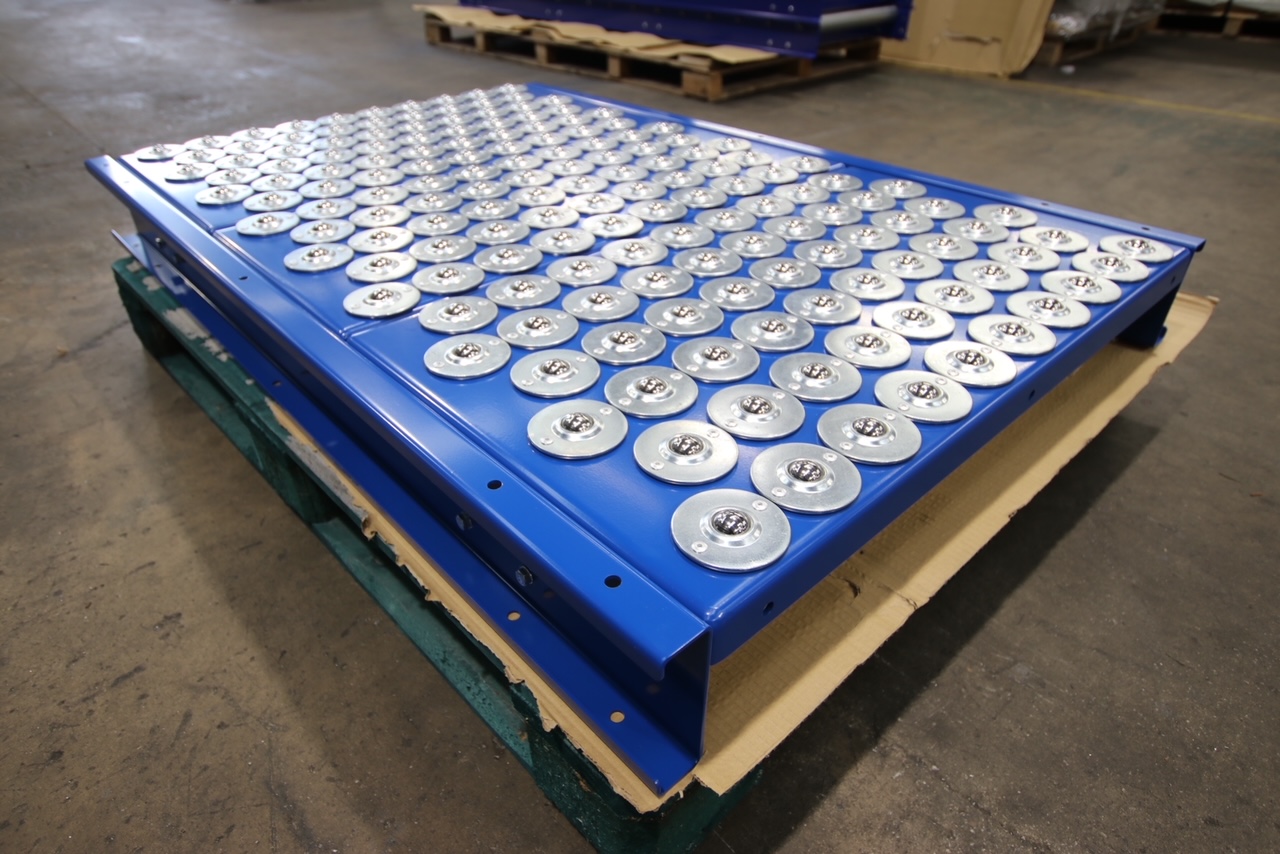
Light Duty Gravity Conveyors – A Complete Guide
Introduction
Light duty conveyors are an essential solution in modern material handling, offering a cost-effective and efficient way to transport lightweight goods. The KBR-GR-20 Light Duty Gravity Conveyor provides seamless movement in warehouses, packaging lines, and e-commerce fulfilment, helping businesses streamline operations and reduce manual handling effort.
What Are Light Duty Gravity Conveyors?
Light duty conveyors are non-powered conveyor systems that rely on gravity or manual force to transport materials. These conveyors consist of free-rolling 20mm rollers, allowing for smooth and controlled movement of lightweight items such as small boxes, packages, and trays. Learn more about conveyor types from Wikipedia.
How Light Duty Gravity Conveyors Work?
Gravity conveyors work by utilizing a slight incline or manual force to move products along a track. The rollers reduce friction, allowing goods to slide efficiently without the need for motors or external power sources. These conveyors are ideal for low-weight items and provide an energy-efficient and cost-effective solution for material handling.
Key Features and Benefits
1. Cost-Effective Light Duty Gravity Conveyor
Light duty conveyors eliminate the need for electricity, reducing operational costs while maintaining an efficient material handling process. Learn more about our range of conveyor solutions.
2. Versatile Applications of Light Duty Gravity Conveyors
Used in warehousing, packaging, and retail operations, these conveyors can be configured to meet various requirements with adjustable track widths, roller centers, and support stands.
3. Easy-to-Maintain Light Duty Gravity Conveyor
With no motors or complex components, these conveyors require minimal maintenance. They are easy to install and integrate into existing workflows, making them a practical choice for many industries.
4. Customisation Options for Light Duty Gravity Conveyors
The KBR-GR-20 Light Duty Gravity Conveyor, for example, offers a range of options including PVC, BZP steel, or stainless steel rollers, ensuring compatibility with different environments, including food and pharmaceutical industries.
Common Applications of Light Duty Gravity Conveyors
- E-Commerce & Fulfilment Centers – Ideal for sorting and transporting packages.
- Retail & Supermarkets – Used in checkout and stock replenishment areas.
- Manufacturing & Assembly Lines – Efficient movement of components between workstations.
- Packaging & Distribution Centers – Streamlined product movement for packaging and dispatch.
How to Choose the Right Light Duty Conveyor
When selecting a gravity conveyor, consider the following factors:
1. Load Capacity Considerations
Ensure the conveyor can handle the weight of your products.
2. Choosing the Right Roller Material
Select from PVC, BZP steel, or stainless steel depending on environmental conditions.
3. Optimising Track Width & Roller Centers
Customizable widths and roller spacing allow for optimized material flow.
4. Support Stand Options for Stability
Choose between flat horizontal stands, adjustable incline stands, or mobile castor units for flexibility.
Final Thoughts
Light duty conveyors are an essential part of streamlined warehouse and manufacturing operations. Their cost-effectiveness, versatility, and ease of use make them a preferred choice for businesses looking to improve efficiency in material handling.
To learn more about our range of light duty conveyors, visit our product page or contact us for expert guidance on selecting the right solution for your needs.