Gravity layout plays a crucial role in ensuring seamless material movement and operational efficiency. When designing and configuring a gravity conveyor system, consider various aspects such as lengths, widths, and section configurations to meet specific operational needs.
Standard Section Lengths
Gravity conveyors typically come in standard sections of 3 metres in length. However, you can customise smaller sizes within this range. This flexibility enables the conveyor to fit specific operational requirements, ensuring that the system meets the exact needs of the workspace. With adaptable section lengths, gravity conveyors integrate easily into different layouts.
Configuring Desired Lengths
To achieve specific conveyor lengths, arrange multiple sections back-to-back. Therefore, this modular approach provides flexibility in creating a gravity layout that meets the exact requirements of the workspace. By connecting standard sections, businesses can extend the conveyor to the needed length, accommodating changes in layout or capacity demands. This adaptability ensures that the conveyor system remains efficient and functional as operational needs evolve.
Width Considerations
Selecting the appropriate conveyor width is crucial and depends on the sizes of the products being transported. Avoid overhanging products, as each product should fit within the inside frame of the track to ensure smooth and efficient movement. Consequently, proper width selection ensures stability and prevents damage to both the products and the conveyor system. Additionally, choosing the right width contributes to the overall efficiency of the gravity layout by ensuring that products move seamlessly through the system.
Allowances for Curves
When planning gravity layouts, consider allowances for curves, especially with 90-degree turns. Moreover, tracks may require additional space to navigate these curves, influenced by the length of the items being transported. Proper planning ensures that items move through curves without obstruction, maintaining a steady flow of materials. Furthermore, by accounting for these allowances, businesses can design a more efficient and reliable gravity conveyor system.
Roller Conveyor Width Range
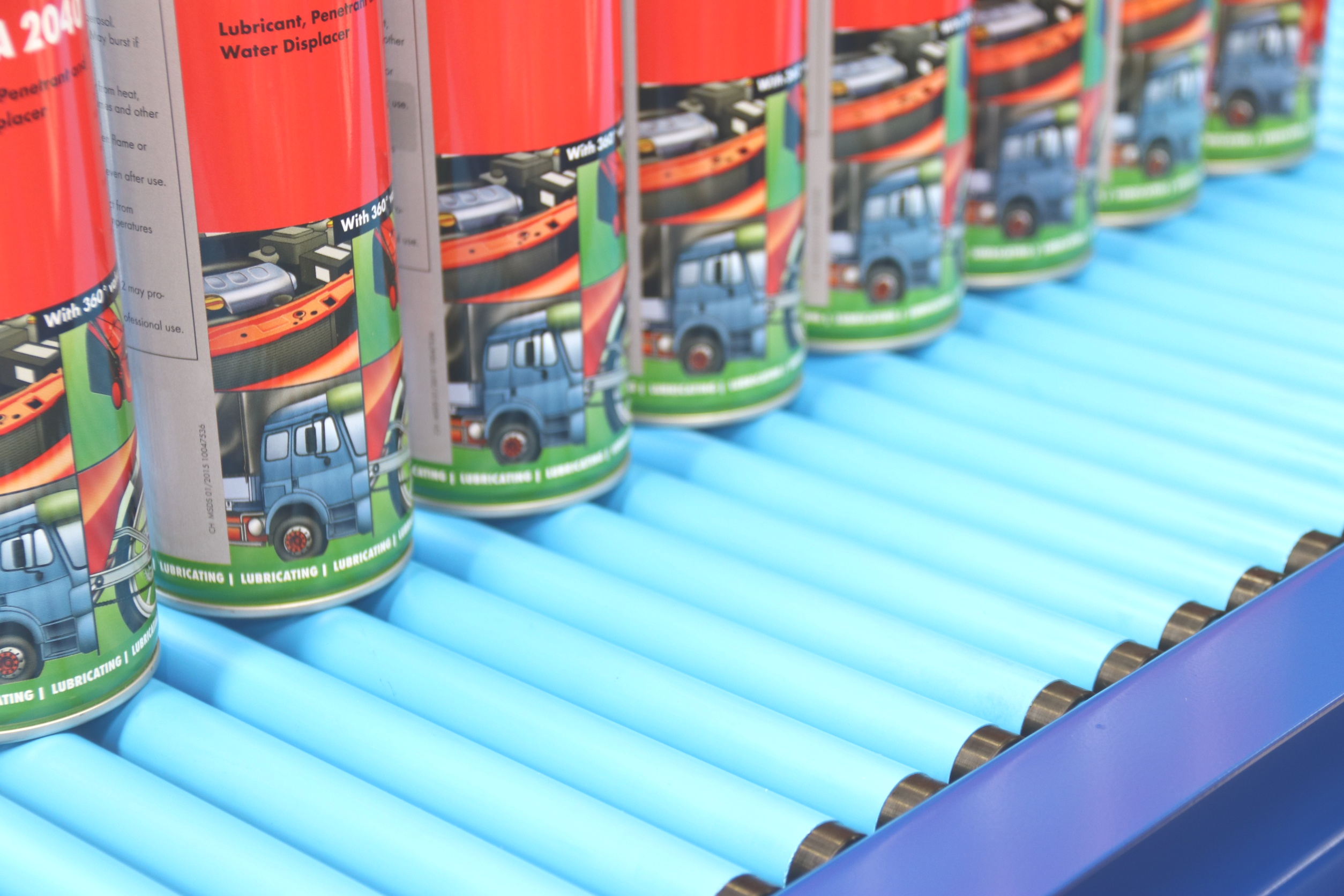
Roller conveyors come in a wide range of widths, from 100mm to 1650mm in a single tube. This variety accommodates different product sizes and operational requirements, providing versatility in conveyor system design. The wide range of widths available allows businesses to select the most appropriate size for their specific needs, ensuring efficient handling and transport of materials. Additionally, this selection process is crucial for creating an optimal gravity layout.
Twin Roller Conveyor Options
For those needing even wider conveyor systems, twin roller conveyors offer an expanded width range. This option is ideal for handling larger products or higher volume requirements, further enhancing the customisation possibilities of gravity conveyor systems. Twin roller conveyors provide additional support and stability for oversized items, ensuring smooth operation and reducing the risk of product damage. Consequently, this option is particularly beneficial for industries dealing with bulky or heavy items.
Start Customising Your Gravity Layout
By considering these factors—standard section lengths, desired configurations, width requirements, allowances for curves, and roller conveyor width options—businesses can effectively design and implement gravity layouts that meet their specific needs. These considerations ensure that the system is tailored to the unique requirements of the operation, promoting efficiency and reliability.
For more information or quotes on gravity conveyors and parts, please contact us. Our team is ready to assist you in finding the best solutions for your material handling requirements. Whether you need a standard setup or a customised solution, we have the expertise to help you optimise your conveyor system for maximum performance.